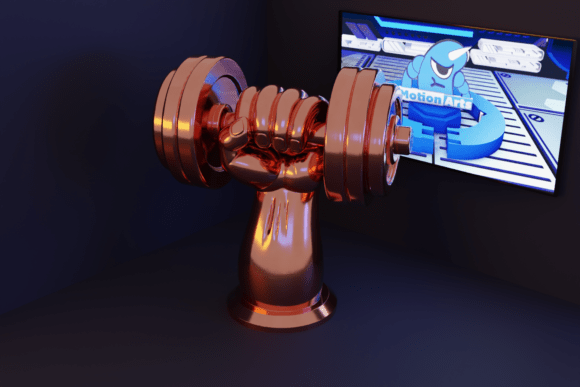
Hand Holding Dumbbell: A Practical Guide to 3D Printing Fitness Art
The intersection of digital design and physical manufacturing has created new opportunities for creators, business owners, and fitness enthusiasts alike. Among the diverse range of assets available in this space, the Hand Holding Dumbbell cartoon 3D model stands out as a versatile tool for decoration, branding, and personal motivation. This asset is not merely a static file; it represents a tangible outcome of a planning process that involves design selection, technical preparation, and execution. Whether you are setting up a home gym, curating merchandise for a fitness brand, or simply expanding your collection of sports-themed artifacts, understanding how to integrate this model into your workflow is essential for achieving professional results.
Defining the Asset and Its Role in Creative Workflows
The Hand Holding Dumbbell is a stylized, cartoon-style 3D model designed with strong lines and balanced proportions. Unlike photorealistic scans, this design prioritizes aesthetic impact and structural integrity for printing. In a broader creative or business process, this model serves as a bridge between digital concepts and physical reality. It fits into workflows where visual identity needs to be reinforced through physical objects. For example, a gym owner might use it as a centerpiece for membership rewards, while a content creator might use it as a prop for social media videos about fitness routines.
Before initiating the printing process, it is crucial to evaluate how this specific asset aligns with your project goals. The model is optimized for both FDM (Fused Deposition Modeling) and resin printers, offering flexibility in material choice. However, the decision to print depends on the intended environment. If the object will be handled frequently by clients or gym-goers, the durability of the final product becomes a primary concern. The solid structure of the Hand Holding Dumbbell ensures stability, but the post-processing steps—such as painting and support removal—require careful planning to maintain the high-quality finish promised by the design.
Technical Preparation and Compatibility Analysis
Successful implementation of any 3D printing project begins with technical due diligence. The Hand Holding Dumbbell file comes in STL format, which is the industry standard for additive manufacturing. Before slicing the file, users must assess their hardware capabilities. While the model is compatible with a wide range of machines, the "Intermediate" difficulty level indicates that certain features require attention during the setup phase.
- Printer Selection: Determine whether an FDM printer using PLA or PETG is sufficient, or if a resin printer is necessary to capture finer details in the cartoon styling.
- Support Structures: The metadata explicitly states that supports are required. This is a critical factor in time management and material cost. Overhangs in the hand gripping the dumbbell necessitate support generation to prevent deformation.
- Slicing Strategy: Adjusting layer height and infill density directly impacts the strength and surface quality. For a decorative item meant to inspire, a higher resolution may be preferred over maximum speed.
Integrating this model into a production workflow requires a systematic approach to slicing software. Users should preview the support placement to ensure that removal does not damage the stylized lines of the hand or the texture of the dumbbell. Proper orientation on the build plate can also minimize visible layer lines on the most visible surfaces, enhancing the overall aesthetic appeal without excessive sanding later.
Execution Strategies for Consistent Quality
Once the technical parameters are set, the execution phase focuses on consistency and quality control. Printing a single unit is straightforward, but scaling this process for multiple units—perhaps for a small business inventory or a bulk gift order—requires a standardized protocol. The Hand Holding Dumbbell model is designed with stable proportions, which aids in repeatability. However, environmental factors such as temperature fluctuations or filament moisture can affect the outcome.
To maintain efficiency, establish a routine for bed leveling and adhesion checks before starting the print job. Since supports are necessary, allocate time for their removal immediately after cooling. Rushing this step can lead to surface imperfections that compromise the "excellent finish" described in the model specifications. For those aiming to paint the model, the smooth base provided by a well-executed print reduces the need for extensive priming, streamlining the finishing workflow.
Furthermore, consider the long-term usability of the printed object. If the piece is intended for a high-traffic area like a gym reception, the material choice becomes part of the strategic decision-making process. Tougher filaments or UV-cured resins may offer better resistance to wear and tear compared to standard PLA. By anticipating these usage scenarios during the planning stage, you ensure that the final product meets both aesthetic and functional requirements.
Integration into Business and Personal Projects
The versatility of the Hand Holding Dumbbell allows it to fit into various stages of a project lifecycle. In a marketing context, this model can serve as a unique giveaway item that reinforces a brand's commitment to fitness and fun. Instead of generic promotional products, a custom-painted version of this 3D model offers a memorable touchpoint for customers. It transforms a simple transaction into an experience, adding value through creativity and effort.
For educators and workshop leaders, this model provides a practical case study in 3D design and manufacturing. Students can learn about the importance of support structures, material properties, and post-processing techniques by working on a recognizable and engaging subject. The clear distinction between the hand and the dumbbell makes it an excellent teaching tool for discussing geometry and structural balance in 3D modeling.
In personal goal-setting routines, the physical presence of the model acts as a visual anchor. Placing a printed Hand Holding Dumbbell on a desk or in a home office serves as a constant reminder of health objectives. This psychological cue integrates seamlessly into daily habits, bridging the gap between abstract goals and concrete actions. The act of creating the object itself can also be a motivating activity, reinforcing the discipline required in both crafting and fitness.
Optimizing the Post-Processing Workflow
The final stage of utilizing the Hand Holding Dumbbell model involves post-processing, which is often overlooked in initial planning but is vital for the end result. Because the design features strong lines and a stylized look, any rough edges from support removal can detract from its impact. A structured approach to sanding, priming, and painting ensures the piece looks professional.
- Support Removal: Use precision pliers to carefully detach supports, minimizing stress on the delicate fingers of the cartoon hand.
- Surface Smoothing: Lightly sand the seam lines and support contact points to create a uniform surface.
- Priming: Apply a primer suitable for the chosen material to ensure paint adhesion and color vibrancy.
- Painting: Utilize bold colors to match the cartoon aesthetic, focusing on contrast between the hand and the dumbbell.
- Sealing: Finish with a clear coat to protect the paint and add durability for handling.
This sequence ensures that the final product aligns with the high standards expected in professional or collector-grade items. By treating post-processing as a distinct phase with its own resource allocation, you avoid bottlenecks and ensure a polished outcome.
Long-Term Value and Strategic Planning
Ultimately, the decision to incorporate the Hand Holding Dumbbell into your projects should be viewed through the lens of long-term value. Whether used as a one-off decorative piece or a scalable product line, the asset offers a blend of artistic expression and functional utility. Its compatibility with different printer types ensures accessibility, while the intermediate difficulty level encourages skill development in the user.
As technology evolves, the ability to quickly prototype and produce custom physical goods remains a competitive advantage. By mastering the workflow associated with models like this one, professionals and hobbyists alike can adapt to changing market demands and personal interests. The Hand Holding Dumbbell is more than a file; it is a component of a larger strategy involving design, manufacturing, and application. Approaching it with a methodical mindset ensures that every print contributes meaningfully to your broader objectives, delivering motivation and style in equal measure.