Pear Fruit: Integrating 3D Models into Creative and Professional Workflows
The intersection of digital design and physical creation has opened new avenues for professionals, educators, and hobbyists alike. Within this expanding landscape, the Pear Fruit 3D model represents more than just a digital asset; it is a functional component in a broader workflow of prototyping, decoration, and educational demonstration. Whether you are a maker preparing a themed display, an educator designing a biology lesson, or a product designer testing scale models, understanding how to integrate a specific STL file like the Pear Fruit into your process is essential for achieving high-quality results.
This article explores the practical application of the Pear Fruit 3D model, focusing on preparation, execution, and integration within various professional and personal projects. By treating the digital file not as an isolated download but as a step in a structured production pipeline, users can maximize efficiency, ensure quality control, and expand the utility of their 3D printing capabilities.
Understanding the Asset: The Digital-to-Physical Pipeline
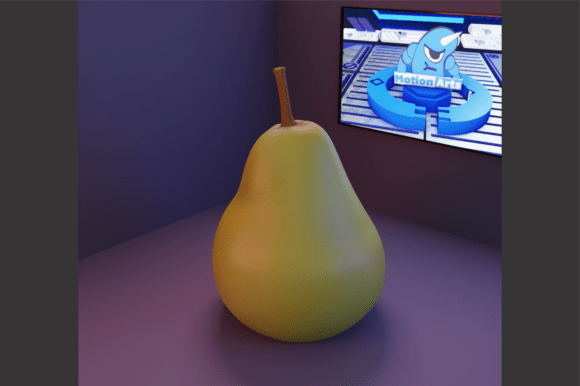
Before any printer nozzle moves, the workflow begins with asset selection and evaluation. The Pear Fruit model is characterized by its faithful shape, smooth surfaces, and well-defined contours. In a professional context, selecting the right geometry is the first critical decision point. A model that is too complex may introduce unnecessary print time and material waste, while one that is too simple might lack the realism required for a specific presentation.
The Pear Fruit STL file strikes a balance suitable for diverse applications. Its optimized nature means it is ready for slicing software without requiring extensive repair or mesh correction. This readiness streamlines the pre-production phase. When integrating this asset into a project, the initial step involves verifying compatibility with your specific slicer settings. Because the model features a distinct taper and organic curvature, it serves as an excellent test case for evaluating overhang management and surface finish quality on your specific hardware.
Pre-Production: Planning and Slicing Strategy
Effective implementation of the Pear Fruit model requires strategic planning before the print job begins. This phase involves determining the orientation, support requirements, and material choice based on the intended outcome.
- Orientation Analysis: For a decorative piece where surface texture is paramount, orienting the pear vertically (stem up) often yields the best aesthetic result, minimizing layer lines on the main body. However, if the model is part of a larger assembly, such as a fruit basket diorama, a horizontal orientation might be necessary to save build plate space.
- Support Structures: While the Pear Fruit design is generally smooth, the stem area can present minor overhangs. Utilizing tree supports or soluble supports during the slicing process ensures that these delicate details remain intact without requiring aggressive post-processing.
- Material Selection: The choice of filament or resin depends on the end-use. For food-safe applications (if using certified materials), PLA or PETG is standard. For high-detail collectibles, a fine-layer resin print might be preferred to capture the subtle gradients of the fruit's skin.
This planning stage is crucial for maintaining consistency across multiple prints. If you are producing a batch of pears for a classroom activity or a retail display, establishing a standardized slicing profile ensures that every unit matches in size and quality. This level of organization reduces variability and enhances the professional appearance of the final output.
Execution: Printing and Quality Control
Once the slicing parameters are set, the execution phase focuses on monitoring the print and performing immediate quality checks. The Pear Fruit model, with its continuous curves, acts as a stress test for extrusion consistency. Any fluctuation in flow rate or temperature will manifest as banding or uneven surfaces on the rounded body of the fruit.
During the print, it is advisable to monitor the first few layers closely. Since the base of the pear is relatively narrow compared to the midsection, ensuring strong adhesion to the build plate prevents warping or detachment. After the print completes, a systematic quality control check should be performed:
- Visual Inspection: Check for stringing around the stem and the overall smoothness of the "skin."
- Dimensional Accuracy: Use calipers to verify that the height and width match the design specifications, which is vital if the model must fit into a specific slot or container.
- Structural Integrity: Gently manipulate the stem to ensure it is not brittle or loosely attached.
These steps ensure that the physical object meets the standards set during the planning phase. For entrepreneurs selling printed goods, this quality control loop is non-negotiable. It builds trust with customers and reduces return rates caused by defects.
Post-Processing and Integration into Projects
The value of the Pear Fruit model extends beyond the moment the print finishes. Post-processing transforms the raw plastic into a finished asset ready for its intended environment. Depending on the project goals, this may involve sanding, priming, painting, or assembling.
For those creating decorative pieces or collectibles, painting is a key integration step. The smooth, well-defined surface of the Pear Fruit model provides an ideal canvas for acrylics or airbrush paints. Applying a gradient from green at the top to yellow or red at the bottom mimics the natural ripening process of a real pear, adding a layer of realism that elevates the project from a simple print to a convincing prop.
In educational workflows, the model can be used immediately after light sanding. Teachers can use the physical object to demonstrate plant anatomy, discussing the structure of the core, seeds, and skin. The tactile nature of the 3D print aids kinesthetic learners, making abstract biological concepts concrete. Furthermore, because the model is available as a digital STL file, educators can modify the scale to fit different age groups or curriculum needs, printing smaller versions for individual student desks or larger versions for group demonstrations.
Workflow Synergy: Combining Assets for Complex Scenarios
Rarely does a single object exist in isolation. The true power of the Pear Fruit model lies in its ability to interact with other assets within a larger composition. In themed cooking projects or culinary displays, the pear can be paired with 3D-printed bowls, baskets, or other fruit models to create a cohesive scene.
When planning such compositions, consider the following integration factors:
- Scale Consistency: Ensure that the Pear Fruit model shares the same scale reference as other items in the collection. Mixing 1:1 scale fruits with miniature furniture will break immersion.
- Color Harmony: Plan the color palette for all elements simultaneously. If the pear is painted realistic colors, the accompanying bowl should complement rather than clash with those tones.
- Modular Design: Consider printing multiple pears at once to create variety. Slight variations in paint application can make each fruit unique, avoiding the "plastic" look of mass-produced identical items.
For small business owners creating custom gifts, this modularity allows for rapid customization. A client requesting a "harvest theme" centerpiece can receive a personalized arrangement featuring the Pear Fruit alongside other seasonal elements, all produced efficiently through a streamlined 3D printing workflow.
Long-Term Utility and Digital Archiving
Beyond immediate projects, the Pear Fruit STL file offers long-term utility when properly managed within a digital asset library. Organizing files by category—such as "Food," "Nature," or "Decor"—ensures that the model is easily retrievable for future needs. This organizational discipline is a hallmark of efficient creative workflows.
Storing the original, unmodified STL file alongside your sliced configurations creates a robust backup system. If a future project requires a different orientation or scale, you can revert to the source file rather than trying to reverse-engineer a previous print. This practice safeguards against data loss and maintains the integrity of your design resources.
Furthermore, as printing technology evolves, having a library of high-quality, optimized models like the Pear Fruit positions you to take advantage of new materials and faster printers. The timeless nature of the fruit's shape ensures that the model remains relevant whether you are using FDM, SLA, or emerging large-format technologies.
Conclusion: Strategic Implementation of 3D Assets
The Pear Fruit 3D model is a versatile tool that, when approached with a structured workflow, delivers significant value across education, business, and creative hobbies. By focusing on careful planning, precise execution, and thoughtful post-processing, users can transform a simple digital file into a high-quality physical asset. Whether used as a standalone decorative piece, a teaching aid, or a component of a larger artistic installation, the integration of this model into your routine exemplifies the practical potential of modern additive manufacturing. Embracing these processes not only improves the quality of individual projects but also enhances overall productivity and creative capability.