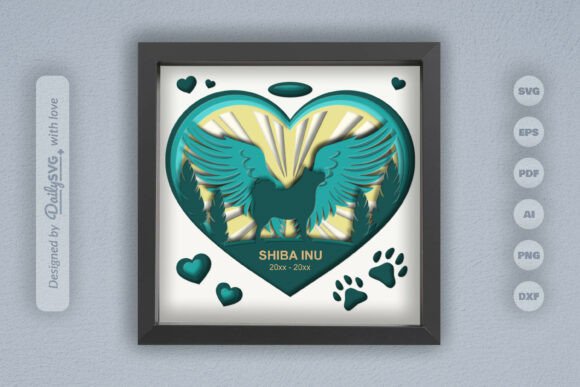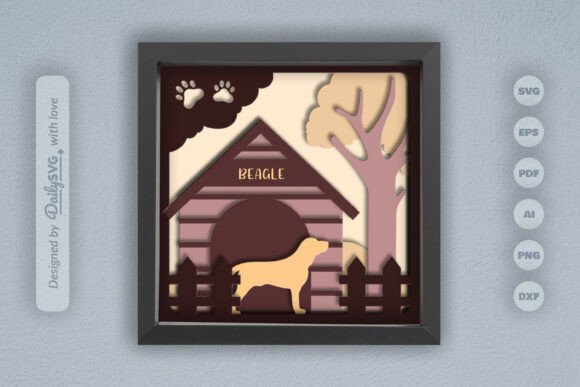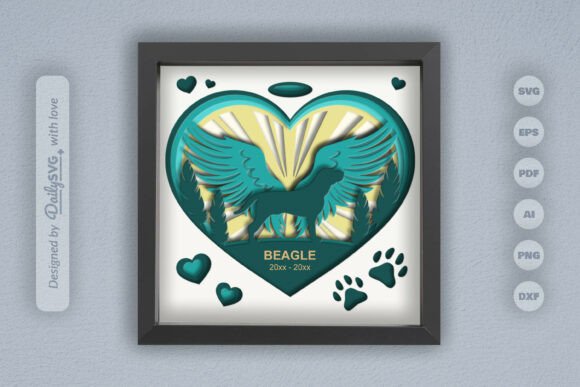
Dog Breed Layered Papercut-Siberian Husk: A Guide to Flawless Results
The Dog Breed Layered Papercut-Siberian Husk design offers a unique opportunity to bring the striking features of one of the world's most beloved breeds into your home decor or gift projects. With their piercing blue eyes, distinctive markings, and spirited expression, Siberian Huskies make for compelling three-dimensional art. However, creating a stunning layered papercut is not just about downloading a file; it requires understanding the nuances of digital crafting to ensure your final product looks professional rather than amateurish. Many crafters rush into the process without considering the critical details that separate a crisp, elegant cut from a frustrating mess.
Understanding the Value of Layered Designs
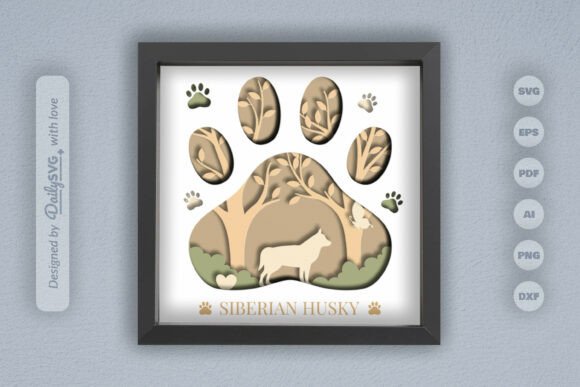
A layered papercut works by stacking multiple pieces of paper, each with specific cutouts, to create depth and shadow. When you choose the Dog Breed Layered Papercut-Siberian Husk, you are selecting a design intended to capture the breed's soulful gaze and thick fur texture through strategic layering. This technique transforms flat paper into a sculpture that catches light beautifully. Whether you are making a framed wall hanging, a greeting card, or a decorative sign, the visual impact relies entirely on the precision of the layers.
People are drawn to this specific design because it captures the essence of the Husky in a way that a simple silhouette cannot. The layers allow for the separation of the snout, ears, and eye details, giving the dog a lifelike presence. For beginners, this might seem daunting, but the right file preparation makes it accessible. For professionals, it offers a reliable base for high-end custom orders. The key lies in how you handle the digital assets before they ever touch your cutting mat.
Common Pitfalls in Digital File Preparation
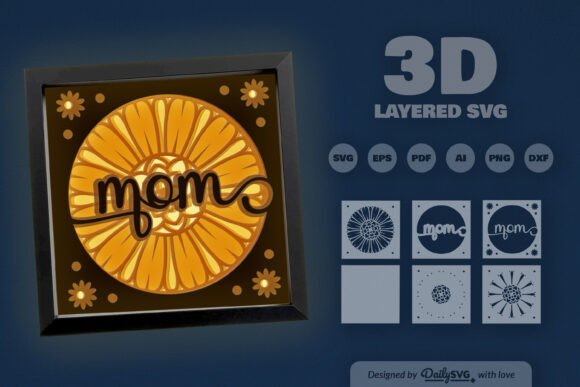
One of the most frequent mistakes crafters make is assuming all digital files are created equal. When purchasing a Dog Breed Layered Papercut-Siberian Husk, you will typically receive a ZIP file containing formats like AI, SVG, DXF, EPS, PDF, and PNG. It is crucial to understand which format serves your specific machine. Using the wrong file type can lead to distorted shapes, missing layers, or software crashes.
- Using PNGs for Cutting: Beginners often try to use the PNG image as a guide for their cutting machine. While PNGs are great for previewing the design on a screen, they lack the vector data needed for precise cutting. Relying on them will result in jagged edges and failed cuts.
- Ignoring Layer Order: In complex designs like the Siberian Husk, the order in which layers are stacked matters immensely. If you import the SVG or DXF file incorrectly, you might end up cutting the back layer first, wasting material and time.
- Neglecting Software Settings: Even with the correct file, using default blade settings for every paper type is a recipe for disaster. Thick cardstock requires different pressure and speed settings than thin tissue paper.
These errors do more than just waste paper; they affect the structural integrity of the final piece. If a layer is slightly off-center due to poor alignment or incorrect scaling, the entire illusion of depth collapses. The Husky's face may look misaligned, or the delicate ear tips might tear during assembly. Avoiding these issues starts with a careful review of your digital toolkit.
Selecting the Right Tools and Materials
To get the best results from the Dog Breed Layered Papercut-Siberian Husk, you need to match your tools to the task. While this design is crafted for smooth cutting on machines like Cricut or Silhouette, it can also be hand-cut with a precision knife if you have steady hands and patience. However, the margin for error is significantly smaller when cutting by hand.
If you are using a cutting machine, ensure your blade is sharp. A dull blade will drag through the paper, causing fraying around the intricate details of the Husky's fur and facial features. For hand-cutting, invest in a high-quality craft knife and a self-healing mat. Always cut away from yourself and use a ruler for straight lines where applicable, though this design is primarily curved and organic.
Material choice is equally important. Many crafters opt for standard printer paper, which is too flimsy for multi-layered structures. Instead, choose cardstock ranging from 65lb to 80lb weight. This thickness provides enough rigidity to hold the layers together without bending under their own weight. Additionally, consider the color palette. Since the design relies on shadows to create depth, using varying shades of grey, black, or brown can mimic the natural coat of a Siberian Husky effectively. Avoid overly glossy papers, as they can reflect light unevenly and ruin the matte finish that gives papercuts their charm.
Best Practices for Assembly and Presentation
Once your pieces are cut, the assembly phase begins. This is where many projects fail due to impatience. Do not rush the gluing process. Use a glue stick or low-tack adhesive rather than liquid glue, which can warp the paper and cause layers to shift. Apply adhesive only to the non-visible edges of the bottom layers to prevent seepage.
Before committing to permanent glue, dry-fit your layers. Arrange them on your work surface to ensure the alignment is perfect. Check the spacing between the Husky's eyes and the position of the snout. If everything looks right, secure the center point first, then work outward. This method prevents the layers from sliding apart as you add more adhesive.
When framing your finished Dog Breed Layered Papercut-Siberian Husk, remember that the depth of the frame must accommodate the height of the stack. Standard frames may crush the artwork. Look for deep-set shadow boxes or add spacers to create a gap between the glass and the paper. This extra space enhances the three-dimensional effect and protects the delicate layers from being squashed against the glass.
Evaluating Your Purchase and Protecting Your Craft
Before buying any digital download, verify that the seller provides the necessary file formats for your workflow. A reputable listing for the Dog Breed Layered Papercut-Siberian Husk should include AI, SVG, DXF, EPS, PDF, and PNG files. This variety ensures compatibility with almost any design software or cutting machine. If a listing lacks these essential formats, it may indicate a lower-quality product that could cause frustration later.
It is also vital to respect the intellectual property rights of the creator. These digital files are licensed for personal use or for creating physical products to sell, but reselling the digital files themselves is strictly prohibited. Sharing the product page link is encouraged, as it supports the artist and helps others find quality resources. If you have questions about usage rights or technical issues, reaching out to the seller directly is always better than guessing. Their expertise can save you hours of troubleshooting.
Finally, take a moment to appreciate the effort that goes into creating these designs. If you love the result of your project, leaving a quick review can mean a lot to the creator and help other crafters make informed decisions. By following these guidelines, you ensure that your Siberian Husky papercut stands out as a testament to your skill and attention to detail, rather than a cautionary tale of overlooked details.