Bringing Your German Shepherd to Life: The Ultimate Guide to Multilayer SVG Designs
For dog lovers, the German Shepherd is more than just a breed; it represents loyalty, intelligence, and an unwavering bond. Capturing that spirit in a static image can be challenging, but modern technology has opened new doors for artistic expression. Enter the German Shepherd Dog Multilayer SVG, a digital design format that transforms flat files into stunning, three-dimensional wall art. Whether you are a hobbyist with a home laser cutter or a professional looking to expand your product line, understanding how these multilayer designs work is the first step toward creating something truly memorable.
This guide explores the mechanics, benefits, and practical applications of multilayer SVGs, specifically focusing on the iconic silhouette of the German Shepherd. We will walk you through the technical requirements, material options, and the creative possibilities that come with stacking clean-cut layers to create depth and dimension.
Understanding the Magic of Multilayer SVGs
To appreciate the value of a multilayer design, one must first understand what an SVG file is. SVG stands for Scalable Vector Graphics. Unlike raster images (such as JPEGs or PNGs) which are made of pixels and lose quality when resized, vector graphics use mathematical equations to define shapes. This means an SVG can be scaled from a small sticker to a massive billboard without any loss of clarity.
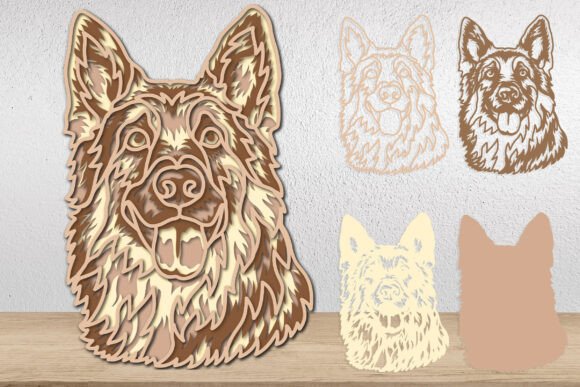
A multilayer SVG takes this concept further. Instead of a single flat image, the design is broken down into several distinct layers. In the context of a German Shepherd portrait, you might have a base layer representing the full outline, followed by intermediate layers that carve out details like the ears, snout, and chest, and finally a top layer that adds fine texture or highlights. When these layers are cut from material and stacked physically, they create a 3D effect that draws the eye and adds a tactile quality impossible to achieve with a standard print.
Why Layering Matters in Digital Design
The significance of layering lies in its ability to simulate depth. In traditional painting, artists use shading and perspective to create the illusion of 3D space. With laser cutting and multilayer SVGs, we achieve actual physical depth. Each layer acts as a shadow or a highlight, depending on the color of the material used. For example, using dark walnut for the back layers and light maple for the front layers can make the German Shepherd appear to emerge from the background.
This technique is particularly effective for animals with strong silhouettes and distinct features, such as the German Shepherd. Their pointed ears, muscular build, and expressive faces translate beautifully into layered profiles, allowing creators to capture the essence of the breed in a way that feels dynamic and alive.
Materials and Machines: What You Need to Start
One of the greatest advantages of purchasing a comprehensive file pack—containing formats like SVG, AI, DWG, EPS, DXF, and PDF—is versatility. These files are designed to work with a wide range of materials and software environments. However, selecting the right combination is crucial for success.
- Wood and Plywood: These are the most popular choices for laser cutting. Birch plywood offers a clean edge with minimal burning, while hardwoods like oak or cherry provide a premium look for high-end decor.
- MDF (Medium Density Fiberboard): MDF is excellent for painted projects because it has no grain and accepts paint evenly. It is often used for large-scale wall art where cost-effectiveness is key.
- Acrylic: For a modern, sleek aesthetic, acrylic sheets can be layered to create translucent effects. The German Shepherd design looks striking when cut from colored acrylics, especially when backlit.
- Cardstock: If you do not have access to a powerful laser cutter, cardstock is a great alternative for smaller projects or scrapbooking. It allows for intricate layering without the need for heavy-duty machinery.
Compatibility with Cutting Machines
Modern desktop laser cutters, such as the Glowforge, xTool, or Silhouette Cameo (with laser modules), are perfectly suited for these designs. The German Shepherd multilayer SVG is optimized for these devices, ensuring that the "clean-cut" lines mentioned in the product description result in precise edges every time.
It is important to note that while the file formats provided (SVG, DXF, etc.) are industry standards, you must ensure your specific machine's software supports them. Most modern cutting software handles SVG and DXF natively, but older systems might require conversion. Always check your machine's specifications before purchasing digital assets to avoid compatibility issues.
From File to Frame: The Creative Process
Once you have downloaded the ZIP file containing your German Shepherd design, the creative journey begins. The process typically involves importing the file into your design software, arranging the layers, and setting up the cut parameters.
- Import and Organize: Open the SVG or AI file in your preferred software (like Adobe Illustrator, LightBurn, or Glowforge Design Space). You will see the individual layers separated. Ensure they are aligned correctly.
- Size Adjustment: The default design size is often set to 10 inches in height, which is a perfect scale for framed wall art. However, because SVGs are vector-based, you can resize them easily. Want a giant 4-foot portrait? No problem. Need a small ornament? Just scale it down. The resolution remains crisp regardless of size.
- Nesting and Cutting: Arrange the layers on your virtual workspace to maximize material usage. Set your power and speed settings based on your chosen material. A common mistake beginners make is using too much power, which causes charring on wood. Test cuts are essential.
- Assembly: After cutting, sand the edges if necessary to remove any rough spots. Apply adhesive between the layers. You can use hot glue for quick assembly or specialized craft glue for a permanent, seamless bond. Stack the layers carefully to maintain alignment.
Practical Applications and Modern Relevance
In today's world, where mass-produced decor dominates store shelves, there is a growing appreciation for handmade, personalized items. The rise of the "maker movement" has empowered individuals to create custom goods from their homes. A German Shepherd multilayer SVG fits perfectly into this trend.
Home Decor and Gifting: Imagine gifting a custom 3D portrait to a friend who lost their beloved German Shepherd. The emotional impact of a tangible, handcrafted piece far exceeds that of a printed photo. It serves as a lasting tribute and a conversation starter in any living room.
Small Business Opportunities: For entrepreneurs, these designs represent a low-risk entry into the e-commerce market. With just a laptop and a laser cutter, you can produce unique wall art, signage, or ornaments. The variety of file formats included in the download ensures you can cater to different clients' needs, whether they need a file for a vinyl cutter or a laser engraver.
Education and Skill Building: Working with multilayer SVGs is also an educational tool. It teaches principles of design, spatial awareness, and technical proficiency with CAD/CAM software. Students and hobbyists alike can learn how digital files translate into physical objects, bridging the gap between the virtual and real worlds.
Clarifying Common Misunderstandings
As with any digital product, there are misconceptions that potential buyers should be aware of. First and foremost, remember that you are purchasing a digital product only. No physical item will be shipped to you. This is a critical distinction; the value lies in the intellectual property of the design, which you then manufacture yourself.
Another common assumption is that the software will do all the work automatically. While the files are ready-to-use, having basic knowledge of your cutting software is required. You need to understand how to nest parts, adjust power settings, and align layers. If you are completely new to laser cutting, consider watching tutorials specific to your machine model before starting your project.
Furthermore, do not assume that the design will look identical on every material. A 10-inch tall German Shepherd cut from black acrylic will have a very different visual weight than one cut from natural birch plywood. The beauty of this system is the flexibility to experiment with textures and colors to match your specific vision.
Conclusion: Unlocking Your Creative Potential
The German Shepherd Dog Multilayer SVG is more than just a file; it is a gateway to creating bespoke, high-quality art that honors one of the world's most beloved breeds. By leveraging the power of vector graphics and laser cutting technology, you can transform simple digital data into a stunning 3D masterpiece.
Whether you are decorating your own home, starting a side hustle, or simply exploring a new hobby, the versatility of these designs makes them an invaluable resource. With the included variety of file formats—from SVG to DXF—you have everything you need to bring your vision to life across various machines and materials. Remember to test your settings, choose your materials wisely, and enjoy the process of turning a flat file into a dimensional tribute to the loyal German Shepherd.
Happy shopping and happy creating!