Whimsical Princess Script Topper: A Practical Evaluation for 3D Creators
In the realm of digital fabrication, the distinction between a generic asset and a truly functional design often lies in the details. The Whimsical Princess Script Topper represents a specific niche within the 3D printing community: decorative cake toppers designed for fairytale-themed events. As professionals and hobbyists increasingly turn to additive manufacturing for custom party supplies, understanding the technical merits and practical application of such digital files becomes essential. This evaluation examines the design's structural integrity, aesthetic appeal, and suitability for various printing workflows.
Design Philosophy and Aesthetic Function
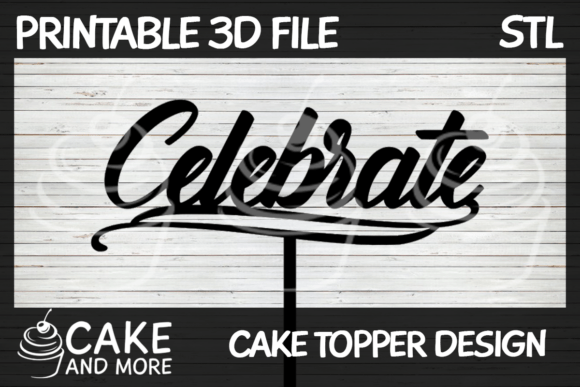
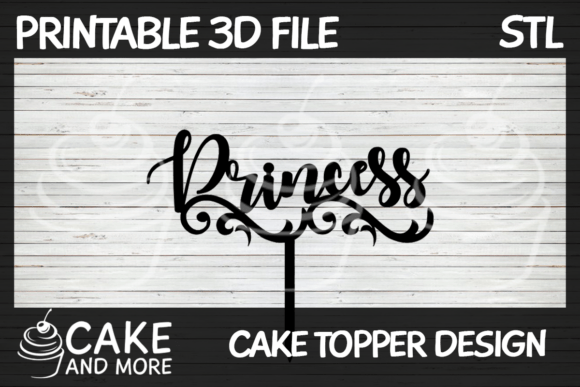
The primary value proposition of the Whimsical Princess Script Cake Topper is its typography. Unlike standard block fonts that prioritize legibility over style, this design utilizes an elegant script font intended to evoke a sense of royalty and enchantment. For event planners or parents organizing a birthday celebration, the visual language of the topper sets the tone for the entire centerpiece. The script elements are crafted to flow naturally, mimicking the calligraphy one might find on high-end wedding invitations or royal decrees.
However, from a technical standpoint, script fonts present unique challenges in 3D printing. Thin strokes and connecting ligatures can be prone to breakage during the printing process if not modeled with sufficient wall thickness. The Whimsical Princess Script Topper appears to address this by balancing delicate aesthetics with structural necessity. The design likely incorporates subtle reinforcements in critical areas without compromising the visual lightness of the lettering. This balance is crucial; a topper that looks too heavy defeats the purpose of a "whimsical" theme, while one that is too fragile risks failure before it even reaches the cake.
Technical Specifications and File Integrity
As a digital product, the utility of this asset depends entirely on the quality of the STL file provided. An STL (Stereolithography) file is a mesh representation of the object's surface geometry. For a complex script design, the resolution of this mesh is paramount. Low-resolution files result in visible facets and jagged edges, which ruin the smooth appearance required for a premium look. High-quality files ensure that the curves of the script remain fluid when sliced into layers.
Users should verify the manifold status of the file before attempting a print. Non-manifold geometry—where edges are shared by more than two faces or where holes exist in the mesh—can cause slicing software to fail or produce defective prints. Assuming the Whimsical Princess Script Cake Topper adheres to industry standards for digital distribution, it should be watertight and ready for immediate slicing. This readiness reduces the workflow friction for users who need to produce the item quickly, perhaps just days before an event.
Compatibility with FDM and Resin Printers
One of the stated strengths of this design is its compatibility with both Fused Deposition Modeling (FDM) and resin-based printers. However, the optimal output differs significantly between these two technologies, influencing how the final product performs.
- FDM Printing: For filament-based printers, the challenge lies in layer adhesion and support structures. The script elements will require supports to prevent drooping, especially on overhangs. Post-processing will be necessary to remove these supports and sand the surface to achieve a smooth finish. PLA is the recommended material here due to its ease of use and food-safe potential (if printed with a dedicated printer), though PETG offers better durability.
- Resin Printing: Stereolithography (SLA) or Digital Light Processing (DLP) printers are arguably better suited for this specific design. Resin allows for much finer detail and smoother surface textures, which is critical for intricate script fonts. The lack of visible layer lines makes the topper appear more like a cast metal or ceramic piece, enhancing the "royal" aesthetic. However, resin requires careful handling, curing, and post-washing, adding steps to the production timeline.
Creators must consider their available hardware. If the goal is rapid prototyping or a quick turnaround, an FDM printer with a fine nozzle (0.2mm or smaller) may suffice. For a presentation-grade centerpiece, resin printing is the superior choice, provided the user has the necessary safety equipment and post-processing station.
Usability and Customization Potential
A significant advantage of purchasing a digital STL file over a physical pre-made item is the ability to customize. The Whimsical Princess Script Topper serves as a base model that can be modified to fit specific names or themes. Using CAD software or slicer features, users can scale the design to fit different cake sizes or adjust the orientation to accommodate unique cake tiers.
Furthermore, the modularity of the design allows for creative variations. Users might choose to add small embellishments, such as stars or crowns, to the top of the letters, or integrate the topper into a larger scene. This flexibility extends the lifespan of the asset beyond a single event. A creator could maintain a library of script styles, using this particular design as a template for future commissions. This adaptability adds long-term value, transforming a one-time purchase into a reusable resource for a portfolio of work.
Real-World Performance and Limitations
While the design promises an enchanting result, real-world application reveals certain limitations that users must anticipate. First, the size of the topper relative to the cake matters. If scaled too large, the thin script strokes may become structurally unsound, particularly in FDM printing where horizontal spans are weak points. Conversely, scaling it too small may obscure the details of the script, making it unreadable from a distance.
Material choice also dictates the final outcome. While many 3D printing filaments are technically food-safe, the porous nature of FDM prints can harbor bacteria if not properly sealed. For direct contact with food, it is standard practice to use a barrier, such as a clear epoxy coating or a plastic wrapper, rather than placing the raw print directly onto the frosting. Resin prints, while smoother, generally require a food-safe sealant as well, as most standard resins are toxic until fully cured and coated.
Additionally, the "whimsical" nature of the script implies a degree of fragility. During transport or placement, the delicate tips of the letters are susceptible to snapping. Careful handling is required, and users should plan for extra time in the post-processing phase to ensure all supports are cleanly removed without damaging the fine details.
Ideal Audience and Application Scenarios
This digital asset is best suited for a specific demographic: serious hobbyists, small business owners specializing in custom party decor, and professional 3D artists. It offers little value to those seeking a plug-and-play solution without access to a 3D printer. For entrepreneurs, the Whimsical Princess Script Cake Topper provides a cost-effective way to offer personalized services. Instead of outsourcing to expensive manufacturers, they can produce high-margin items in-house.
It is particularly effective for:
- Boutique Event Planners: Who require unique, non-mass-produced centerpieces for high-end children's parties.
- Educational Workshops: Where instructors demonstrate the intersection of graphic design and physical manufacturing.
- DIY Enthusiasts: Looking to create memorable keepsakes for family milestones without the markup of retail goods.
The design fits seamlessly into projects requiring a blend of elegance and fantasy. Whether it is a first birthday, a quinceañera, or a themed corporate event, the script style bridges the gap between childish whimsy and sophisticated design.
Final Assessment
The Whimsical Princess Script Topper stands out as a viable digital asset for those equipped with the right tools and knowledge. Its strength lies in the thoughtful integration of aesthetic flair with printable geometry. While it demands attention to detail regarding material selection and post-processing, the resulting product offers a level of personalization that mass-market alternatives cannot match. For creators looking to expand their service offerings or simply craft a meaningful gift, this STL file provides a solid foundation. It is not merely a download; it is a component in a broader workflow of design, fabrication, and presentation that defines modern digital craftsmanship.