The King Chess Piece: Evaluating the 3D STL Model for Custom Sets
In the world of chess, the King is not merely a piece; it is the focal point around which every strategy revolves. When transitioning from traditional wooden or plastic sets to digital fabrication, selecting the right King Chess Piece model becomes a critical decision for designers and hobbyists alike. The availability of high-quality 3D STL files has democratized the creation of custom chess sets, allowing users to move beyond mass-produced options. However, not all digital models are created equal. Understanding the specific attributes of a sophisticated King Chess Piece model, its structural integrity, and its aesthetic fidelity is essential for anyone considering a 3D printing project.
This evaluation explores the nuances of the classic King design in 3D format, comparing it with alternative styles and examining the practical tradeoffs involved in choosing a digital file over physical pre-made pieces. By analyzing design fidelity, print optimization, and use cases, we can determine when this specific resource serves as the ideal centerpiece for a collection.
Defining the Distinctive Qualities of a Digital King Chess Piece
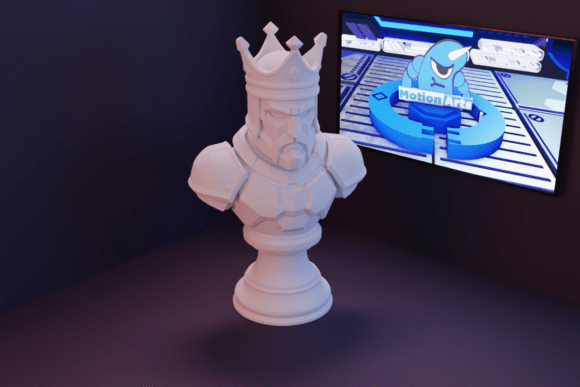
A standard King Chess Piece is defined by its height relative to other pieces and the cross atop its crown, symbolizing authority. In a 3D printed context, however, the definition expands to include mesh quality, wall thickness, and geometric complexity. A well-crafted King Chess Piece STL file must balance these technical requirements with the visual grandeur expected of the most important piece on the board.
What distinguishes a premium model from a generic one is often found in the details. While basic models may rely on simple cylinders and cones to suggest the form of a King, a sophisticated design incorporates intricate textures, realistic proportions, and smooth transitions between the base, body, and crown. These elements are crucial because 3D printing, particularly FDM (Fused Deposition Modeling), can struggle with overhangs and fine details if the geometry is not optimized. A high-quality file ensures that the resulting object maintains its structural integrity while preserving the elegant lines that define the classical Staunton style or other traditional forms.
Furthermore, the distinction lies in the scalability. A robust King Chess Piece model allows for resizing without losing definition. This flexibility is vital for creators who wish to experiment with different board sizes or material densities. Whether the goal is a miniature set for travel or an oversized decorative piece for a lobby, the underlying geometry must remain sound. This adaptability separates utility-grade models from those intended purely for display.
Comparing Digital Models with Traditional Manufacturing Methods
When evaluating the best approach to acquiring a King Chess Piece, the primary comparison is between purchasing a pre-manufactured piece and downloading a digital file for self-fabrication. Each method offers distinct advantages and limitations that depend heavily on the user's resources and goals.
Pre-Manufactured Options:
- Consistency: Factory-made pieces offer uniform finishes and materials, such as polished wood or injection-molded resin, which are difficult to replicate perfectly at home.
- Speed: There is no waiting time for slicing, printing, or post-processing.
- Cost Barrier: High-end artisanal sets can be prohibitively expensive, whereas entry-level plastic sets may lack the desired weight or detail.
3D Printed King Chess Piece:
- Customization: The ability to choose filament color, material type (PLA, PETG, Resin), and infill density provides unparalleled control over the final product's look and feel.
- Economic Efficiency: For those who already own a printer, the cost per piece is significantly lower than buying a complete high-end set.
- Design Freedom: Users can modify the STL file slightly to add personal touches, such as engravings or unique base shapes, before printing.
The tradeoff here is primarily time and technical skill. Creating a professional-looking King Chess Piece via 3D printing requires knowledge of slicer settings, support structures, and post-processing techniques like sanding and painting. If a user seeks immediate gratification without the learning curve, a physical purchase remains the superior choice. Conversely, for those invested in the creative process or seeking a truly unique item, the digital route offers value that mass production cannot match.
Technical Evaluation: Optimization and Printability
One of the most significant factors in choosing a King Chess Piece STL file is its optimization for 3D printing. A model that looks stunning on a screen but fails during the printing process is of little practical use. An optimized file accounts for the physics of layer-by-layer deposition, ensuring that features like the cross on the King's head do not require excessive support material, which can leave unsightly marks on the surface.
When reviewing a potential download, consider the following technical aspects:
- Wall Thickness: The base and neck of the King must be thick enough to withstand handling during gameplay. Thin walls can snap easily, especially in brittle materials like PLA.
- Overhang Management: Good designs minimize angles greater than 45 degrees, reducing the need for supports and improving surface finish.
- File Integrity: The mesh should be watertight with no non-manifold edges, preventing errors during the slicing phase.
A King Chess Piece that is "print-ready" saves hours of troubleshooting. It indicates that the creator has tested the model across different printer types and materials. This level of preparation is a hallmark of a reliable resource. In contrast, free or unverified models often require manual repair in CAD software, a step that may be beyond the comfort zone of casual users. Therefore, investing time in verifying the quality of the STL file is a prudent step before committing to a print job.
Use Cases: From Gameplay to Decorative Art
The versatility of a 3D printed King Chess Piece extends far beyond the battlefield of a tournament table. Its application depends largely on the material chosen and the finishing applied after printing.
Functional Gaming Sets: For players who want a personalized set, printing the King in a durable material like PETG or Nylon is advisable. These materials offer better heat resistance and impact strength compared to standard PLA. The tactile feedback of a heavy, solid King can enhance the playing experience, providing a sense of presence that lightweight plastic sets often lack. In this scenario, the King Chess Piece serves as the anchor for a cohesive set, where consistency in scale and style across all pieces is paramount.
Collectibles and Display: Many enthusiasts utilize 3D printing to create large-scale art pieces. A King Chess Piece printed at 200% or larger scale transforms into a striking decorative object. Using resin printers allows for extremely fine details, capturing the texture of royal robes or the sharpness of the crown. These pieces are often painted by hand, turning them into bespoke sculptures rather than mere game components. Here, the focus shifts from durability to aesthetic perfection.
Gifts and Themed Projects: The digital nature of the file makes it an excellent resource for creating themed gifts. One could print a King in gold-colored filament for a wedding gift or customize it with a specific crest for a corporate event. The ability to produce a single, high-quality piece without the overhead of inventory makes this a flexible option for creative gifting.
Decision Factors: When to Choose the 3D Route
Determining whether the 3D STL approach is the right fit requires an honest assessment of your current situation and objectives. There are specific scenarios where the King Chess Piece model shines, and others where alternatives are preferable.
Choose the 3D STL File When:
- You have access to a 3D printer and the necessary post-processing tools.
- You desire a custom color scheme or material combination not available in store-bought sets.
- You are looking to replace a single lost piece in an existing set and need a precise match in dimensions.
- You enjoy the process of crafting and want to engage deeply with the creation of your gaming equipment.
Consider Alternatives When:
- You need a set immediately and cannot wait for the printing and curing process.
- You lack the technical skills to handle support removal, sanding, or painting effectively.
- You prefer the natural grain and feel of traditional hardwoods that are difficult to mimic with plastic or resin.
- Budget constraints prevent the purchase of a printer, making a low-cost plastic set more economical than the upfront hardware investment.
Ultimately, the decision rests on balancing the desire for customization against the investment of time and effort. The King Chess Piece in 3D format represents a powerful tool for those willing to embrace the technology, offering a path to a unique, personalized experience that mass-market products simply cannot provide. By carefully evaluating the model's quality and your own capabilities, you can ensure that the result is not just a functional piece, but a masterpiece worthy of the name.