Soap Stencil - V2: A Practical Solution for Recycled Soap
Many households accumulate small, shrunk bars of soap that are often discarded simply because they are too difficult to hold or use effectively. This waste represents not only a financial loss but also an unnecessary environmental impact. The Soap Stencil - V2 addresses this common household challenge by offering a structured, user-friendly method to transform these remnants into usable, aesthetically pleasing bars. As the second iteration of a design specifically crafted for small soaps, this tool bridges the gap between waste reduction and practical utility, allowing anyone to reclaim their soap with minimal effort.
The Challenge of Soap Waste and Small Remnants
The lifecycle of a bar of soap often ends prematurely. Once a bar shrinks to a certain size, it becomes slippery, hard to grip, and prone to falling into the drain or getting lost in the shower corner. Most people resort to throwing these pieces away or letting them dissolve uselessly on the bathroom floor. This scenario creates a cycle of constant repurchasing and contributes to plastic packaging waste when new bars are bought.
For adults seeking practical solutions, the goal is often to extend the life of purchased goods without adding complexity to their daily routine. Traditional methods of recycling soap, such as melting them down over a stove, can be messy, time-consuming, and require specific equipment like double boilers and molds. These barriers often discourage people from attempting soap recycling at all. The need for a simpler, cold-process alternative is clear, and the Soap Stencil - V2 was developed to meet this specific demand.
Understanding the Soap Stencil - V2 Design
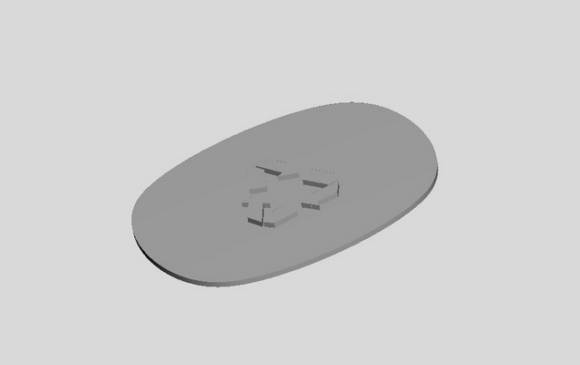
The Soap Stencil - V2 is more than just a mold; it is a complete system designed for efficiency and ease of use. Unlike version one, which may have had limitations regarding size or usability, version two has been refined specifically for making small soaps from accumulated scraps. The design philosophy centers on three core components: the stencil part, the press part, and the ejector part. Each component plays a vital role in transforming loose soap shavings and small chunks into a cohesive, solid bar.
This tool eliminates the need for heat or complex chemistry. Instead, it relies on the natural properties of soap when rehydrated and compressed. By focusing on the mechanics of pressure and form, the Soap Stencil - V2 allows users to create uniform bars that are just as effective as store-bought options. The modularity of the design also invites creativity, enabling users to modify parts to place their own designs on the final product.
A Step-by-Step Guide to Using Your Stencil
Implementing the Soap Stencil - V2 into your routine is straightforward and requires very little technical skill. The process is designed to be intuitive, ensuring that even those with no crafting experience can achieve professional-looking results. Follow these steps to maximize the effectiveness of your recycled soap:
- Accumulate and Prepare: Start by gathering used and shrunk soaps from around your home. Keep them in a container until you have enough volume to fill the stencil. You do not need to cut them into perfect cubes; irregular shapes work perfectly well.
- Rehydrate the Soap: Place the accumulated soap pieces in a bowl of water and let them sink. Allow them to soak for approximately one day. This crucial step softens the soap, making it pliable and ready to bond together under pressure. Without adequate soaking, the pieces may crumble rather than fuse.
- Pour into the Stencil: Once the soap has soaked sufficiently, drain any excess water and pour the softened mixture directly into the stencil part of the device. Ensure the cavity is filled evenly to avoid air pockets.
- Apply Pressure: Align the press part with the stencil and apply firm, even pressure. This compression forces the soap particles to bind together, creating a solid mass. The Soap Stencil - V2 is engineered to distribute this force uniformly, ensuring a dense and durable bar.
- Eject the Bar: Use the ejector part to gently push the newly formed soap out of the mold. The mechanism is designed to release the soap cleanly without deforming its shape.
- Dry and Cure: Place the ejected soap in a dry, well-ventilated area. Wait for the soap to dry completely before using it. Depending on humidity levels, this may take a few days, resulting in a hard, long-lasting bar.
Customization and Creative Possibilities
One of the most compelling aspects of the Soap Stencil - V2 is its adaptability. While the standard design provides excellent results out of the box, the creator explicitly encourages users to modify the parts as they wish. This openness transforms the tool from a simple utility into a creative outlet.
Users who enjoy DIY projects can carve patterns into the press part to imprint custom logos, floral designs, or geometric shapes onto the surface of the soap. Others might choose to add dried herbs, essential oils, or colorants to the soaking water to infuse the recycled soap with new scents and textures. For example, adding lavender buds during the soaking phase can turn a plain white bar into a spa-quality luxury item. The ability to personalize the output means that every batch of soap can be unique, tailored to individual preferences or even created as thoughtful gifts.
Practical Applications and Outcomes
The outcomes of using the Soap Stencil - V2 extend beyond simple waste reduction. Practically, it offers a cost-effective way to maintain a supply of soap without frequent purchases. For families, campers, or travelers, the ability to consolidate small scraps into a single, manageable bar is incredibly convenient. It prevents the frustration of losing tiny slivers of soap in the shower and ensures that every drop of cleaning power is utilized.
Furthermore, the psychological benefit of seeing waste transformed into a useful product should not be underestimated. It fosters a mindset of sustainability and resourcefulness. In educational settings or family activities, the process serves as a tangible lesson in recycling and material science. The visual transformation from a pile of soggy scraps to a pristine, solid bar is both satisfying and inspiring.
Tailoring the Approach to Different Users
Different users will approach the Soap Stencil - V2 based on their specific needs and goals. The minimalist user might focus solely on the functional aspect, using the tool strictly to eliminate soap waste and reduce clutter. They will likely stick to the basic instructions, soaking the soap and pressing it quickly to get a usable bar for daily washing.
In contrast, the craft-oriented user will view the stencil as a canvas. They may spend extra time designing custom inserts for the press part or experimenting with different soaking times to achieve varying densities. This group might also explore combining different types of soap—such as mixing glycerin with traditional bar soap—to create layered effects or unique scent profiles. Regardless of the approach, the Soap Stencil - V2 remains flexible enough to accommodate both the pragmatic and the creative.
Conclusion
The Soap Stencil - V2 represents a significant step forward in practical home sustainability. By addressing the specific problem of small, unusable soap remnants, it offers a solution that is efficient, accessible, and adaptable. Whether you are looking to save money, reduce waste, or engage in a creative hobby, this tool provides a reliable method to reclaim value from what would otherwise be trash. With its simple three-part system and encouragement for customization, the Soap Stencil - V2 empowers users to take control of their consumption habits while enjoying the satisfaction of creating something useful from nothing.