Sitting Elf with Heart in Hand: A Guide to Perfect 3D Prints
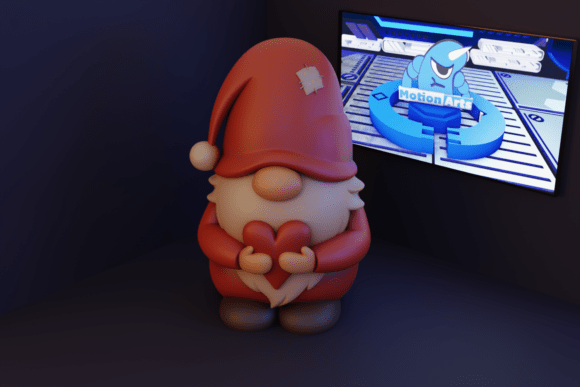
The Sitting Elf with Heart in Hand has quickly become a favorite among 3D printing enthusiasts and small business owners looking to add a touch of warmth to their holiday collections. This 3D cartoon model captures a sitting elf holding a heart, blending a sweet expression with a charming posture that resonates deeply during the festive season. Whether you are creating custom gifts for family, stocking up inventory for a boutique, or simply adding a whimsical piece to your home decor, this design offers a solid structure and smooth lines intended for easy printing. However, like any digital asset, the final result depends heavily on how you approach the file preparation and printing process.
Many creators assume that because a model is labeled "Beginner" or "Easy," it requires no technical oversight. This is a common misconception that can lead to wasted filament, resin, and time. The Sitting Elf with Heart in Hand is designed with excellent results in mind for both FDM and resin printers, but achieving that clean finish requires understanding the specific demands of the geometry. Ignoring the nuances of support generation or orientation can turn a magical character into a frustrating project filled with artifacts and failed layers.
Understanding the Model's Design Intent
Before downloading the STL file, it is crucial to understand what makes this specific model unique. The design prioritizes a solid structure with minimal overhangs, which is ideal for those new to 3D printing. The elf's seated position naturally distributes weight, reducing the risk of warping compared to standing figures. The heart held in the hand is a delicate feature; while the lines are smooth, the connection point between the hand and the heart is often where print failures occur if not managed correctly.
This model serves as more than just a decoration; it is a symbol of affection and joy. For entrepreneurs selling printed goods, the emotional value of the piece drives its marketability. However, the perceived quality of the final product hinges on the surface finish. If the supports leave visible scars on the elf's face or the heart, the charm is lost. Therefore, treating this file as a high-priority project rather than a casual test print is essential for maintaining professional standards.
Common Mistakes That Ruin the Print
Even experienced makers can fall into traps when rushing through a popular model. One of the most frequent errors is neglecting the "Support required" specification. While the Sitting Elf with Heart in Hand is optimized for ease, the outstretched arm holding the heart creates an overhang that gravity cannot ignore without assistance. Printing without supports will likely result in the arm drooping or the heart detaching mid-print, ruining the structural integrity of the figure.
Another overlooked detail is the choice between FDM and resin printing without adjusting settings accordingly. The model is compatible with both, but the approach differs significantly. On an FDM printer, using standard layer heights might obscure the fine details of the elf's facial expression and the texture of the heart. Conversely, on a resin printer, failing to orient the model to minimize surface area contact with the build plate can lead to excessive post-processing work. Simply placing the file in the slicer and hitting "print" often yields a result that looks blocky or lacks the smooth, cartoon-style finish advertised.
Color planning is also frequently underestimated. Many users download the file intending to paint it later but fail to consider how layer lines affect paint adhesion and flow. If the print resolution is too low, the paint may settle into the ridges between layers, making the surface look uneven and cheap. This is particularly noticeable on the heart, which is meant to be a focal point of affection. A poorly printed base makes even the best painting job look amateurish.
Strategic Approaches for Better Results
To avoid these pitfalls, start by analyzing the orientation of the model within your slicing software. For FDM printers, rotating the elf slightly so the back rests against the bed can sometimes reduce the need for extensive internal supports, though some external support for the arm is still necessary. Use tree-style supports where possible; they adhere less aggressively to the model surface, making removal easier and leaving fewer marks on the smooth lines of the elf's clothing and skin.
If you are using a resin printer, focus on the angle of the heart. Orienting the model so the heart faces upward allows for cleaner curing and easier support removal from the underside of the arm. Remember that resin prints require thorough washing and curing; skipping these steps leaves uncured resin on the surface, which can cause the paint to peel or the plastic to degrade over time. The goal is a clean finish ready for customization, and post-processing is half the battle.
For those aiming to sell these models, consistency is key. Do not rely on a single successful print as your template. Run multiple tests to ensure that your settings produce the same high-quality result every time. Check the seam placement on the heart and the elf's face; moving the starting point of the print can hide unsightly stringing or blobs in less visible areas, such as the back of the head or under the arms.
Evaluating Your Decision Before You Buy or Download
Before committing to the Sitting Elf with Heart in Hand, evaluate your current capabilities and resources. Do you have the right materials? High-quality PLA or PETG is recommended for FDM to capture the smooth lines, while standard gray or white resin works best for resin printers to highlight the details. If you lack experience with support removal, consider practicing on a smaller section of the model first or choosing a version with pre-optimized support structures if available.
Consider the end-use scenario. If this is a gift, the recipient will likely inspect it closely. A model with visible layer lines or rough support marks diminishes the sentiment of the gift. It transforms a symbol of magic into a reminder of a rushed process. Take the time to sand and prime the model before painting. The effort put into the finishing touches directly correlates to the satisfaction of the receiver and the reputation of the creator.
Maximizing Value Through Customization
The true potential of this 3D cartoon model lies in its versatility. Once printed successfully, the Sitting Elf with Heart in Hand becomes a canvas for personal expression. You can use metallic paints to give the heart a glowing effect or matte finishes for a softer, storybook look. For businesses, offering variations—such as different colored hearts or accessories—can expand your product line without needing new 3D models.
By avoiding common mistakes like poor orientation, inadequate supports, and insufficient post-processing, you ensure that every print delivers the enchantment intended. This model is designed to spread love and warm the heart, but only if the execution matches the vision. With careful planning and attention to detail, you can create a piece that stands out in any Christmas scene, satisfying both collectors and casual observers alike.