Polka-dot Number 9: A Versatile Digital Asset for Layered Crafting
In the realm of digital crafting, where precision meets creativity, the Polka-dot Number 9 stands out as a resource designed for efficiency and aesthetic flexibility. This is not merely a static image file; it is a comprehensive digital product engineered for both hand-cutting enthusiasts and machine operators using plotters or laser cutters. The design offers a sophisticated approach to creating three-dimensional elements without requiring complex modeling software. For professionals and serious hobbyists alike, understanding the utility of this specific asset can streamline workflows for birthday projects, cake toppers, and decorative signage.
Design Architecture and Visual Composition
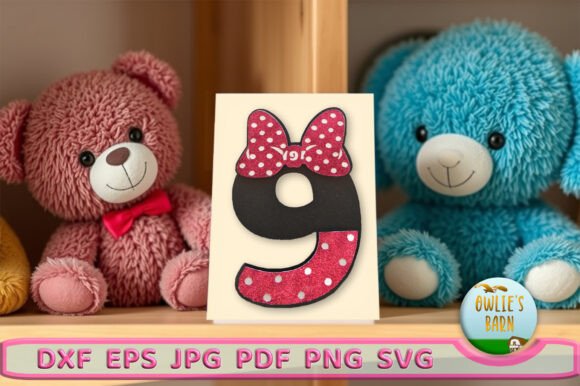
The core value of the Polka-dot Number 9 lies in its layered construction. Unlike flat vector files that offer limited depth, this design features a multi-tiered structure intended to create visual interest through dimensionality. The number itself is approximately 30cm high in its default configuration, though the vector nature of the file ensures it can be resized indefinitely without loss of resolution. This scalability is critical for users who need to adapt a single asset for various applications, from small card embellishments to large-scale wall decor.
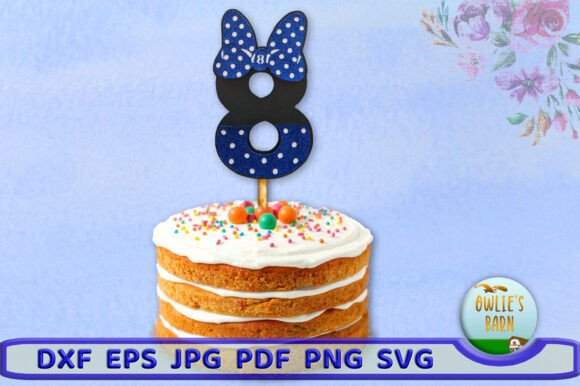
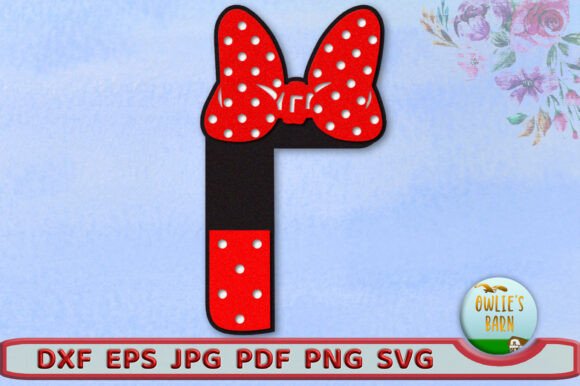
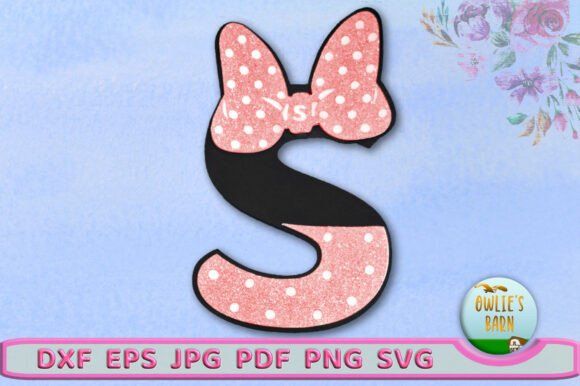
Aesthetically, the design balances playfulness with structural integrity. The primary visual hook is the integration of polka-dot overlays on the bow and the bottom section of the numeral. These patterns are not simply printed textures but distinct layers that sit atop the base shape. To accommodate different stylistic preferences, the package includes plain panels. These serve a dual purpose: they can function as standalone backings to add color and texture behind the patterned layers, or they can be used independently for a minimalist look. This modularity allows the creator to control the final output's complexity, offering a clean alternative if the polka-dot motif feels too busy for a specific project.
Technical Specifications and File Formats
Usability is determined by the compatibility of the file formats provided. The downloadable ZIP folder for the Polka-dot Number 9 contains a robust suite of formats: DXF, EPS, JPG, PDF, PNG (transparent), and SVG. This variety addresses the diverse hardware landscape of modern crafting.
- DXF and SVG: These are the industry standards for vector cutting machines like Cricut, Silhouette Cameo, and laser engravers. They ensure that the lines remain crisp when scaled and that the machine interprets the paths correctly.
- EPS: Ideal for professional desktop publishing software such as Adobe Illustrator, allowing for further manipulation or integration into larger design layouts.
- PNG and JPG: Useful for screen previews, sublimation printing, or creating stickers where vector paths are not required.
- PDF: Provides a reliable format for printing at home or sending to a commercial print shop, ensuring layout consistency.
For machine cutting, a crucial technical detail involves the preparation of the layers. Users must attach the separate layers before sending the file to the cutter. If the layers remain ungrouped, the machine may attempt to cut them sequentially rather than simultaneously, leading to alignment issues during assembly. This step is a common point of friction for beginners, so familiarity with grouping functions in design software is essential for a smooth workflow.
Practical Application: From Flat Print to 3D Assembly
The true potential of the Polka-dot Number 9 is realized in how it transitions from a digital file to a physical object. The design supports two primary modes of execution: flat application and three-dimensional assembly.
Creating Depth with Foam Spacers
For projects requiring a tactile, 3D effect, such as premium cake toppers or dimensional greeting cards, the use of foam spacers is recommended. By placing adhesive foam tape between the base panel, the polka-dot overlay, and the bow, the design gains significant presence. The background of the number includes score-lines specifically designed to assist in positioning these top layers accurately. While these guide lines are helpful for alignment, they are optional and can be omitted if the user prefers a cleaner cut line or plans to assemble the pieces manually.
This layering technique transforms a simple number into a sculptural element. The interplay of light and shadow across the raised surfaces adds a level of sophistication that flat prints cannot achieve. It is particularly effective for birthday celebrations where the "Number 9" serves as the focal point of a table setting or a centerpiece.
Flat Printing and Sublimation
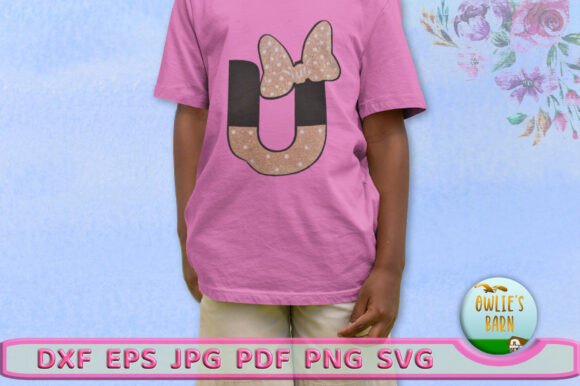
Alternatively, the design can be utilized in a flat format. The transparent PNG and high-resolution JPG files make the asset suitable for direct printing onto sticker paper or sublimation blanks. In a sublimation context, the layered nature of the design can be flattened digitally to create a cohesive graphic for mugs, t-shirts, or tumblers. The polka-dot details transfer well under heat press conditions, maintaining their vibrancy and clarity. This versatility means the same purchase can serve multiple business models, whether the user sells physical cutouts or custom-printed merchandise.
Workflow Efficiency and Professional Utility
For entrepreneurs and small business owners, time is a critical resource. The Polka-dot Number 9 is designed to reduce production time while increasing output quality. The inclusion of pre-scored guidelines eliminates the guesswork often associated with aligning multiple layers. This feature is particularly valuable for batch production, where consistency across dozens of units is necessary. Whether producing fifty identical cake toppers for an event planner or customizing unique numbers for individual orders, the structured layout ensures uniformity.
Furthermore, the availability of other letters and numbers separately or in bundles suggests a scalable ecosystem. A creator purchasing the Number 9 today can easily expand their inventory to match future needs without searching for disparate designs that may not share the same aesthetic or technical specifications. This consistency is vital for brands that require a cohesive visual identity across their product range.
Target Audience and Use Cases
Who benefits most from this specific asset? The primary audience includes craft professionals, boutique stationery designers, and event decorators who require high-quality, customizable assets. It is also highly relevant for educators creating classroom materials or party planners looking for cost-effective yet premium-looking decorations.
Consider a scenario where a freelancer is preparing a birthday card collection. Using the Polka-dot Number 9, they can quickly produce a series of cards featuring different ages, maintaining a consistent style through the shared design language of the polka dots and bows. The ability to swap the polka-dot overlay for the plain panel allows for rapid variation within the same product line, catering to clients who prefer subtle elegance over bold patterns.
However, there are limitations to consider. The design relies heavily on the user's ability to manage layers in their cutting software. Those unfamiliar with vector manipulation may find the requirement to attach layers before cutting challenging. Additionally, while the default size is 30cm, extremely small reductions might compromise the visibility of the polka-dot details, requiring careful testing of minimum viable sizes for specific applications.
Conclusion on Value and Reliability
The Polka-dot Number 9 represents a practical solution for creators seeking to elevate their projects through layered design. Its strength lies not just in its visual appeal but in its technical robustness and adaptability. By providing multiple file formats, clear assembly guides via score-lines, and flexible component options, it addresses the common pain points of digital crafting: compatibility, alignment, and customization.
While it requires a basic level of technical proficiency regarding file preparation, the return on investment in terms of time saved and quality achieved is significant. For anyone involved in the creation of personalized gifts, event decor, or branded merchandise, this asset offers a reliable foundation for professional-grade results. It bridges the gap between simple clip art and complex 3D modeling, offering a middle ground that is accessible yet powerful enough for serious production environments.