Halloween Wreath Paper Cut Shadowbox: A Practical Guide to Layered Design
Creating a Halloween Wreath Paper Cut Shadowbox offers a unique intersection of traditional papercraft and modern digital design workflows. For creators, small business owners, and hobbyists alike, this project represents more than just seasonal decoration; it is an exercise in precision planning, material management, and aesthetic execution. Unlike flat paper crafts, a shadowbox relies on depth perception, requiring a structured approach to layering that transforms simple cut files into three-dimensional art. Whether you are producing these for personal enjoyment or scaling up for a boutique shop, understanding the mechanics of the Halloween Wreath Mandala Papercut Shadowbox is essential for achieving professional results.
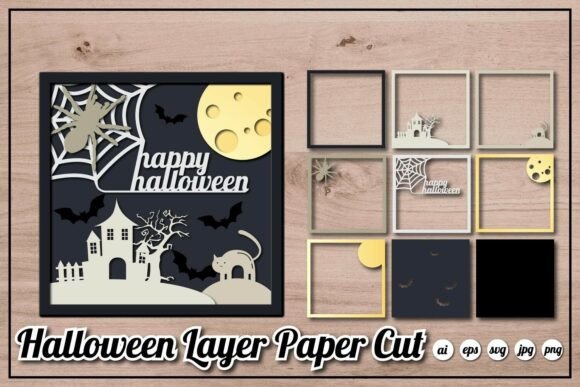
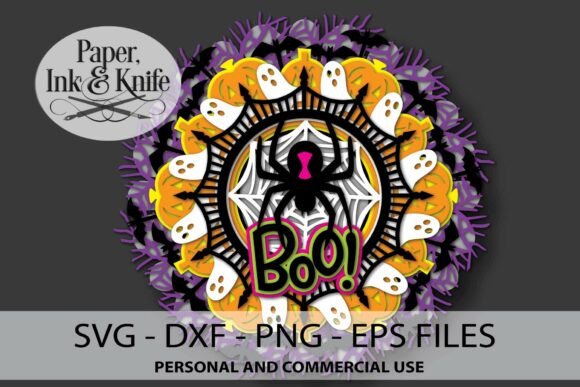
The core appeal of this specific design lies in its complexity managed through simplicity. The template features a big ol spider, playful ghosts, and other iconic Halloween elements arranged within a mandala-style wreath. With over seven layers of papery goodness, the final assembled piece creates a dramatic sense of depth without the need for a bulky physical frame. This efficiency makes it an ideal project for those looking to maximize visual impact while minimizing material waste and assembly time. By integrating this design into your creative process, you can streamline production from digital file to finished product.
Understanding the Digital Asset Ecosystem
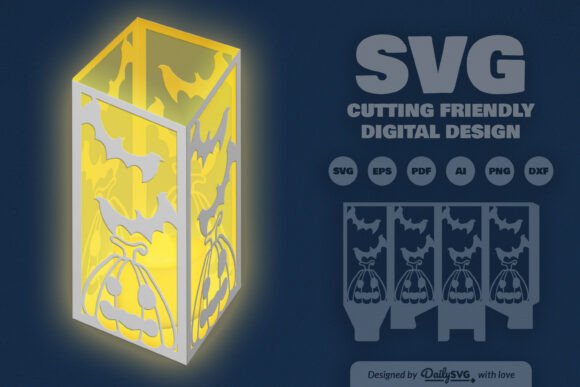
Before any cutting begins, successful implementation starts with proper file management. The Halloween Wreath Paper Cut Shadowbox template arrives as a comprehensive zipped file containing multiple formats designed to interact with various cutting machines and software platforms. Understanding how these assets function together is the first step in a smooth workflow. The package typically includes SVG files optimized for Cricut users, DXF files for Silhouette machines, EPS files for broader compatibility, and high-resolution PNGs for printing and hand-cutting.
For professionals using Cricut Design Space, the inclusion of two distinct SVG files—one with layers stacked and one unstacked—provides significant flexibility. The stacked version allows for rapid prototyping where all layers are aligned for immediate cutting, whereas the unstacked version grants granular control over individual elements. This distinction is crucial when planning color schemes or adjusting the sequence of cuts to match specific material inventories. Similarly, Silhouette users will find the DXF format essential for importing directly into Silhouette Studio, ensuring vector paths remain crisp and scalable.
The presence of an EPS file serves as a universal fallback, accommodating users who may be working with Adobe Illustrator or CorelDRAW. This versatility ensures that the design fits seamlessly into existing design pipelines regardless of the primary software suite used. Furthermore, the 8x8 inch black outline on white PNG files provide a tangible reference for those who prefer to print and cut by hand, bridging the gap between digital precision and manual craftsmanship.
Strategic Preparation and Material Planning
Once the digital files are extracted and organized, the physical preparation phase begins. The Halloween Wreath Mandala Papercut Shadowbox is sized at 11 x 11 inches in its final form, but the source files are scaled to 8 x 8 inches to fit comfortably on standard 8.5 x 11 paper. This sizing strategy is intentional, allowing for easy resizing via machine cutting software if a different scale is required for a specific project scope. However, maintaining the original proportions is often recommended to preserve the intricate details of the mandala pattern and the spatial relationship between the spider, ghosts, and other motifs.
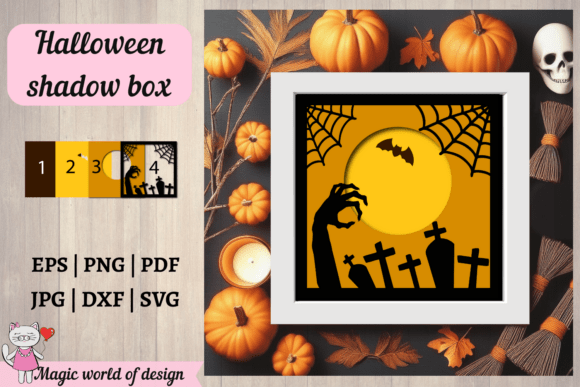
Material selection plays a pivotal role in the quality of the final shadowbox. Since the design utilizes over seven layers, the cumulative thickness must be accounted for during the planning stage. The assembly process involves placing double-sided foam tape between each layer, resulting in a final depth of approximately 1/2 inch. This depth is critical for creating the shadow effect that defines the genre. Using cardstock with varying weights or textures can enhance this effect, but consistency in opacity is key to ensuring that lower layers do not show through unintentionally unless desired.
Efficiency in the cutting process depends heavily on mat usage and blade calibration. Because the design includes delicate elements like the legs of the spider and the wisps of the ghosts, a deep-point blade and a firm grip mat are often necessary. Testing a single layer before committing to the full set of seven plus layers is a prudent quality control measure. This trial run helps identify any potential issues with weeding—the removal of excess paper—and ensures that the intricate negative space within the mandala structure remains intact.
Assembly Workflow and Structural Integrity
The assembly of the Halloween Wreath Paper Cut Shadowbox is where the digital plan becomes a physical reality. The process is easier than it looks, provided that a systematic approach is adopted. The absence of a necessary frame simplifies the logistics, as the layers themselves create the structural boundary. However, this also means that alignment must be precise to maintain the visual integrity of the wreath.
Begin by identifying the base layer, which usually contains the largest silhouette of the wreath and the background elements. Apply double-sided foam tape to the back of this layer, then carefully adhere the next layer on top. Repeating this process for all seven plus layers requires patience and steady hands. Using a bone folder or a similar tool to press down firmly on the foam tape ensures that the layers bond securely, preventing shifting over time. This methodical stacking builds the 1/2-inch depth gradually, allowing the creator to visualize the emerging dimensionality at each step.
During assembly, it is beneficial to have the instruction PDF open and referenced frequently. This document guides the user through the specific order of layers, which is vital for achieving the intended shadow play. If the layers are assembled out of sequence, the depth cues may be lost, diminishing the impact of the big ol spider or the floating ghosts. Consistency in the application of adhesive is another factor; uneven tape placement can cause the layers to bow or warp, disrupting the flatness of the front face.
Integration into Broader Creative and Business Workflows
For entrepreneurs and small business owners, the Halloween Wreath Paper Cut Shadowbox serves as a versatile asset within a larger product line. It can be produced in batches during the off-season to ensure inventory is ready for peak demand in October. The scalability of the design allows for customization; by altering the color palette of the paper layers, the same template can yield products ranging from classic orange and black to elegant gold and silver or pastel tones for a modern twist.
In a marketing context, the creation process itself offers content opportunities. Documenting the journey from downloading the SVG files to the final assembly provides engaging material for social media, blogs, and newsletters. This "behind-the-scenes" transparency builds trust with customers and demonstrates expertise in papercraft techniques. Additionally, the ability to resize the design easily means that the same asset can be adapted for smaller tags, invitations, or larger wall hangings, maximizing the return on investment for the digital purchase.
For educators and workshop leaders, this project functions as an excellent teaching tool for digital literacy and fine motor skills. The requirement to manage multiple file formats, understand scaling ratios, and execute precise cutting fosters technical proficiency. The assembly phase encourages problem-solving and spatial reasoning, making it a holistic learning activity. The clear instructions and layered nature of the project allow for differentiation, enabling beginners to follow along while advanced users experiment with alternative materials or mixed-media additions.
Optimizing for Long-Term Use and Quality Control
To ensure the longevity of the Halloween Wreath Paper Cut Shadowbox, attention must be paid to environmental factors and storage. While the paper layers are durable, prolonged exposure to direct sunlight can cause fading, particularly in vibrant colors. When displaying the finished piece, positioning it away from harsh light sources preserves the visual clarity of the shadows. For items intended for sale, including care instructions with the product enhances customer satisfaction and reduces returns.
Quality control extends beyond the initial assembly. Regularly inspecting the edges of the cut pieces for burrs or rough spots ensures a polished finish. If hand-cutting is chosen, using a sharp craft knife and a self-healing mat is non-negotiable for clean lines. In a production environment, establishing a checklist for each stage—from file extraction to final taping—helps maintain consistency across multiple units. This systematic approach minimizes errors and ensures that every Halloween Wreath Mandala Papercut Shadowbox meets the high standards expected by discerning audiences.
Ultimately, the value of this project lies in its balance of artistic expression and practical execution. By leveraging the provided digital tools and adhering to a structured workflow, creators can produce stunning, multi-dimensional art that captures the spirit of Halloween. Whether used as a standalone decorative piece or integrated into a broader creative business, the Halloween Wreath Paper Cut Shadowbox stands as a testament to the power of thoughtful design and precise implementation.