Dreamcatcher: 3D Model for Spiritual Decor
In the realm of interior design and personal expression, few symbols carry as much weight and visual appeal as the dreamcatcher. Traditionally rooted in Native American folklore, specifically the Ojibwe people, this object serves a dual purpose: it acts as a filter for the night, allowing positive dreams to pass through while trapping nightmares in its web until they dissolve in the morning light. Today, the Dreamcatcher has transcended its origins to become a global icon of protection, mindfulness, and bohemian aesthetics. For creators, designers, and hobbyists with access to 3D printing technology, bringing this symbol into physical reality offers a unique opportunity to blend ancient symbolism with modern fabrication techniques.
The Symbolism and Modern Relevance
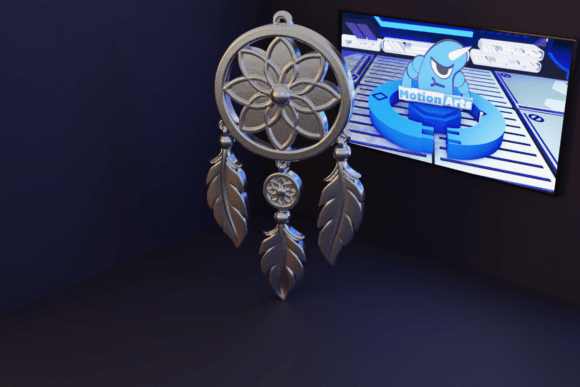
Understanding what makes a dreamcatcher interesting goes beyond its intricate geometry. It represents a tangible connection to intentionality. In a fast-paced digital world, having an object that signifies protection and peace can anchor a space. When you print a Dreamcatcher model, you are not just creating a decoration; you are crafting a focal point for mindfulness. The minimalist style of modern interpretations strips away excess ornamentation, focusing on the essential elements: the hoop, the web, and the hanging feathers or beads. This reductionist approach aligns perfectly with contemporary interior trends that favor clean lines and meaningful minimalism.
For adults aged 20 to 50, whether they are entrepreneurs curating a brand aesthetic or parents looking for nursery decor, the dreamcatcher offers versatility. It speaks to a desire for harmony and balance. Unlike mass-produced items found in big-box stores, a 3D-printed version allows for a level of customization that resonates with the maker's specific vision. You can adjust the scale, modify the density of the web, or integrate personal touches that reflect your own journey or the needs of your audience.
Technical Considerations for Printing
Bringing this design to life requires a solid understanding of your equipment. The provided STL file is optimized for both Fused Deposition Modeling (FDM) and resin printers, but each method demands a different approach to achieve the best results. The design features soft lines and balanced details, which are hallmarks of a well-engineered 3D model intended for delicate subjects.
FDM Printing Strategies
For FDM users, the challenge lies in capturing the fine details of the web without sacrificing structural integrity. Since the model is designed with an intermediate difficulty level, it is crucial to manage support structures carefully. The open nature of the web means that overhangs will require supports to prevent sagging during the print. Using soluble support material like PVA can be beneficial here, as it dissolves away cleanly, leaving the delicate strands intact. Alternatively, if using standard PLA supports, ensure your slicer settings are configured for easy removal to avoid damaging the thin filaments of the web. A smaller nozzle size, such as 0.4mm or even 0.2mm, can significantly enhance the resolution of the intricate patterns.
Resin Printing Advantages
Resin printing, particularly SLA or DLP, is often the superior choice for objects requiring high detail and smooth surfaces. The Dreamcatcher model benefits immensely from the layer accuracy of resin printers, which can render the "soft lines" mentioned in the design specifications with remarkable precision. However, resin prints are brittle compared to FDM plastics. Post-processing becomes a critical step; thorough washing and UV curing are necessary to ensure the final piece is durable enough for handling. If you plan to paint the model, resin provides a smoother base, reducing the need for extensive sanding before applying primer.
Creative Applications and Customization
Once printed, the possibilities for application are vast. The true value of a 3D model lies in its adaptability. Here are several ways to utilize this design effectively:
- Boho Art Collections: Hang the finished piece in a living room or bedroom to complement macramé wall hangings, dried plants, and natural wood textures. The neutral color of raw PLA or resin fits seamlessly into earthy palettes.
- Symbolic Gifts: Personalize the dreamcatcher by adding charms, crystals, or painted accents. This makes it an ideal gift for milestones such as graduations, new homes, or baby showers, where the sentiment of protection is deeply appreciated.
- Spiritual Decor: Use the object as an altar piece or a meditation aid. Its presence can serve as a visual reminder to clear one's mind and focus on positive intentions.
- Educational Tools: For educators and content creators, the model can be used to demonstrate cultural history, geometric patterns, or the mechanics of 3D printing itself.
Painting and Finishing Techniques
To elevate the project from a simple print to a piece of art, finishing plays a pivotal role. Because the design is optimized for clean printing, the surface should be relatively smooth, but some post-processing is usually required. Start by removing all support material gently. For FDM prints, sanding the layers lightly with fine-grit sandpaper (400 grit or higher) will help hide layer lines. Apply a primer suitable for your chosen plastic type to create a uniform surface for painting.
When selecting colors, consider the mood you wish to evoke. Soft pastels, metallic golds, or matte blacks can transform the look entirely. The "delicate style" of the model suggests that heavy, opaque paints might obscure the fine details. Instead, try dry brushing or using translucent washes to highlight the texture of the web without filling it in. Adding small wooden beads or fabric feathers to the bottom hooks can bridge the gap between the synthetic print and traditional materials, enhancing the organic feel of the piece.
Adapting for Different Audiences
Whether you are a freelancer selling digital downloads, a small business owner manufacturing home goods, or a blogger sharing DIY tutorials, the Dreamcatcher model serves various goals. For marketers, the image of a handcrafted, protective symbol is powerful for branding campaigns focused on wellness and self-care. Entrepreneurs can use the STL file to create limited-edition runs, offering custom colorways or sizes to differentiate their products in a crowded market.
For hobbyists, the project offers a satisfying challenge that bridges the gap between technical skill and artistic expression. It encourages experimentation with slicing software, material selection, and post-processing techniques. By mastering the print of an intermediate-level model like this, users build confidence to tackle more complex geometries in the future. The key is to maintain consistency in quality; a well-executed print reinforces the message of care and attention to detail that the symbol itself represents.
Conclusion
The intersection of traditional symbolism and modern technology creates a unique space for creativity. This 3D model of a dreamcatcher is more than just a file; it is a template for creating something meaningful. By understanding the technical requirements of FDM and resin printing and embracing the potential for customization, you can produce a piece that brings harmony and protection to any space. Whether displayed as a standalone art piece or gifted as a token of good vibes, the result is a testament to the power of making things with intention. Print, finish, and share your creation, and let the dreamcatcher do its work.